
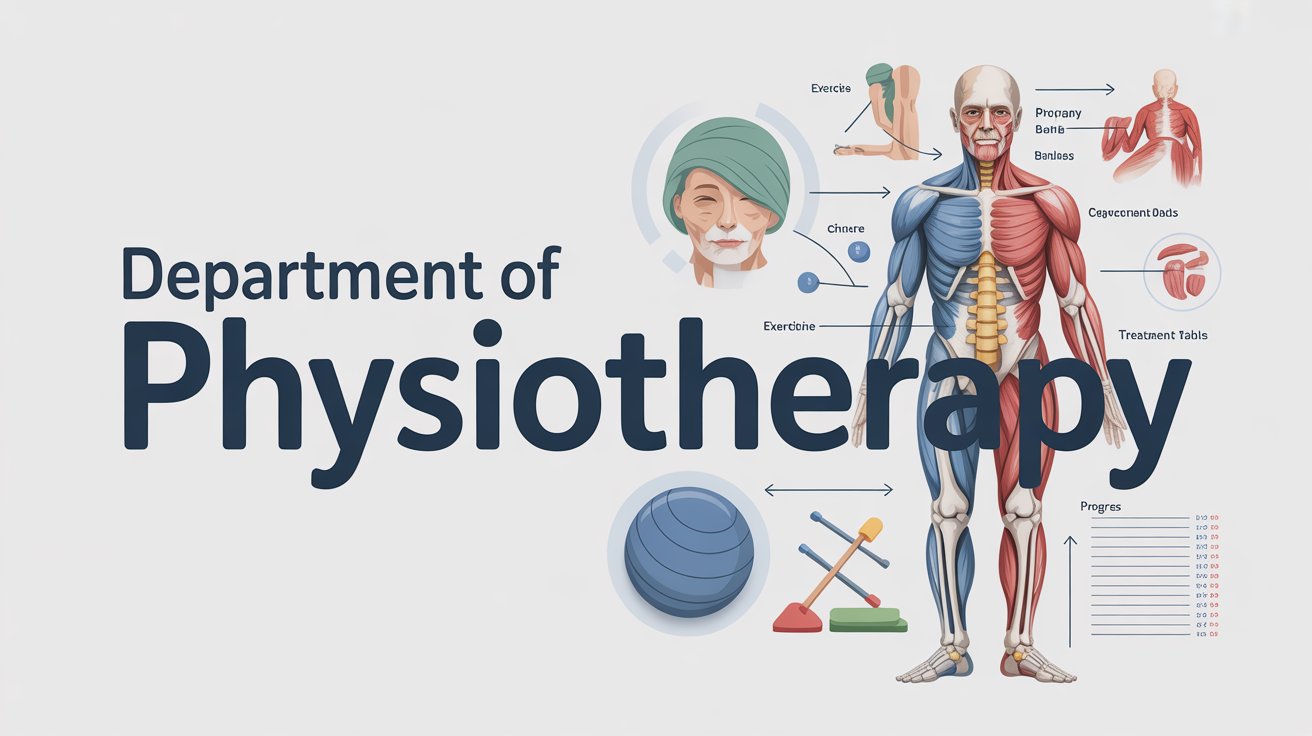
Department of Physiotherapy: Your Complete Guide to Professional Physical Therapy Services
Understanding what a department of physiotherapy offers helps patients make informed decisions about their rehabilitation and recovery needs. These specialized healthcare departments provide comprehensive physical therapy services addressing musculoskeletal injuries, neurological conditions, sports injuries, post-surgical rehabilitation, and chronic pain management through evidence-based treatments. Whether you’re recovering from injury, managing chronic conditions, or optimizing athletic performance, professional physiotherapy departments deliver the expert care necessary for achieving optimal functional outcomes.
Athlean PT operates as a comprehensive physiotherapy department offering full-spectrum services from assessment through recovery and beyond. Our multidisciplinary team combines advanced training, cutting-edge equipment, and personalized care approaches ensuring every patient receives treatment protocols specifically designed for their unique needs and goals. This guide explores what physiotherapy departments do, services they provide, specializations available, and why Athlean PT represents your best choice for professional physical therapy care.
Understanding Physiotherapy Departments
A physiotherapy department is a specialized healthcare facility or section within medical institutions providing comprehensive physical rehabilitation services. These departments employ licensed physiotherapists with extensive education in anatomy, biomechanics, pathology, and therapeutic interventions. Services range from initial assessment and diagnosis through treatment implementation, progress monitoring, and discharge planning. Modern departments utilize evidence-based practices ensuring treatments reflect current research and proven effectiveness. Multidisciplinary collaboration with physicians, surgeons, and other healthcare providers ensures coordinated, comprehensive patient care. Advanced equipment and facilities provide optimal treatment environments supporting diverse therapeutic approaches.
Comprehensive Assessment Services
Effective treatment begins with thorough evaluation understanding each patient’s condition, limitations, and recovery potential accurately. Clinical assessment examines medical history, current symptoms, functional limitations, and treatment goals through detailed questioning. Physical examination includes postural analysis, movement assessment, muscle strength testing, and range of motion measurements. Special tests identify specific tissue damage, nerve involvement, or joint dysfunction requiring targeted intervention. Functional assessment evaluates how conditions affect daily activities, work tasks, or sports performance. Diagnostic collaboration with physicians incorporates imaging results, laboratory findings, and medical diagnoses. This comprehensive understanding guides personalized treatment planning.
Sports Injury Rehabilitation
Athletic injuries require specialized knowledge of sport-specific biomechanics and performance demands for optimal recovery outcomes. Acute injury management addresses immediate needs including pain control, swelling reduction, and protection of healing tissues. Progressive strengthening programs rebuild muscle power while respecting tissue healing timelines and avoiding re-injury risks. Movement pattern correction identifies and addresses faulty mechanics that contributed to initial injury. Sport-specific training prepares athletes for their activity’s unique demands through targeted conditioning and skill development. Return-to-play protocols ensure athletes regain necessary capabilities before resuming full participation safely. Our department of physiotherapy specializes in getting athletes back to peak performance.
Orthopedic Physiotherapy Services
Musculoskeletal conditions affecting bones, joints, muscles, and connective tissues represent common physiotherapy department focuses. Joint mobilization techniques restore normal movement in restricted joints through carefully graded manual therapy. Soft tissue treatments including massage and myofascial release address muscle tension and fascial restrictions. Post-surgical rehabilitation follows orthopedic procedures like joint replacements, ligament repairs, or spinal surgeries. Arthritis management combines gentle mobilization, strengthening exercises, and activity modification maintaining function. Fracture rehabilitation addresses bone healing stages while preventing complications like stiffness or weakness. These services help patients regain mobility and return to desired activities.
Neurological Rehabilitation Programs
Neurological conditions affecting the nervous system require specialized physiotherapy approaches addressing unique movement challenges. Stroke rehabilitation helps patients regain movement, balance, and functional independence following cerebrovascular accidents. Parkinson’s disease management addresses tremor, rigidity, and balance problems through targeted exercise programs. Multiple sclerosis treatment adapts to fluctuating symptoms while maintaining maximum function during remission periods. Spinal cord injury rehabilitation maximizes independence through strength training, mobility training, and assistive device prescription. Peripheral nerve injuries benefit from specialized exercises promoting nerve regeneration and muscle reinnervation. These complex conditions require expertise and patience.
Chronic Pain Management
Persistent pain lasting beyond normal healing requires comprehensive approaches addressing multiple contributing factors simultaneously. Pain education helps patients understand pain neuroscience, reducing fear and catastrophizing that amplify suffering. Movement-based therapy gently increases activity tolerance, breaking pain-avoidance cycles that worsen disability over time. Manual therapy techniques reduce muscle tension and joint restrictions contributing to ongoing discomfort. Mindfulness and relaxation training provide self-management tools for pain flare-ups and stress reduction. Lifestyle modifications addressing sleep quality, ergonomics, and pacing support long-term pain management. The department of physiotherapy at Athlean PT offers specialized chronic pain programs.
Pediatric Physiotherapy Expertise
Children’s physiotherapy requires specialized knowledge of developmental milestones and age-appropriate treatment approaches for young patients. Developmental delay interventions stimulate motor skill acquisition through engaging, play-based activities children enjoy. Cerebral palsy treatment maximizes functional independence while preventing secondary complications from abnormal movement patterns. Sports injury care for young athletes protects growing bones and developing tissues through age-appropriate protocols. Postural problem correction addresses issues from heavy school bags or prolonged device use. Congenital condition management optimizes development during critical periods when nervous system plasticity allows maximum improvement. Family education empowers parents supporting therapy goals at home.
Geriatric Physiotherapy Care
Elderly patients face unique challenges requiring specialized approaches respecting their needs while promoting independence safely. Balance and fall prevention programs reduce injury risk through targeted exercises improving stability and confidence. Arthritis management maintains function despite joint degeneration through gentle mobilization and strengthening programs. Osteoporosis protocols include safe weight-bearing exercises stimulating bone density while avoiding fracture risks. Post-fracture rehabilitation helps seniors regain independence after common injuries like hip or wrist fractures. Neurological condition management addresses stroke, Parkinson’s, and other age-related disorders affecting movement. Mobility aid assessment ensures proper equipment use maximizing safety and independence.
Cardiopulmonary Rehabilitation
Heart and lung conditions benefit from specialized physiotherapy improving cardiovascular fitness and respiratory function safely. Cardiac rehabilitation following heart attacks or surgeries gradually rebuilds cardiovascular fitness through monitored exercise. Pulmonary rehabilitation for chronic lung diseases improves breathing efficiency and exercise tolerance significantly. Pre-surgical conditioning optimizes physical condition before major surgeries improving post-operative outcomes and recovery speed. Energy conservation training helps patients with cardiac or pulmonary limitations manage daily activities efficiently. Breathing technique instruction improves oxygen delivery and reduces shortness of breath during activities. These programs significantly improve quality of life for cardiopulmonary patients.
Women’s Health Physiotherapy
Gender-specific physiotherapy addresses conditions unique to women requiring specialized knowledge and sensitive approaches. Pelvic floor rehabilitation treats urinary incontinence, pelvic organ prolapse, and pelvic pain conditions. Prenatal physiotherapy addresses pregnancy-related pain, prepares for childbirth, and maintains fitness safely during pregnancy. Postpartum recovery addresses diastasis recti, pelvic floor weakness, and safe return to exercise. Breast cancer rehabilitation addresses lymphedema, shoulder mobility, and scar tissue following surgery or radiation. Osteoporosis management proves particularly important for postmenopausal women at increased fracture risk. These services require specialized training and sensitivity.
Advanced Technology Integration
Modern physiotherapy departments utilize cutting-edge technology enhancing treatment effectiveness and measuring progress objectively. Electrotherapy modalities including ultrasound, electrical stimulation, and laser therapy accelerate healing and reduce pain. Isokinetic dynamometry provides objective strength measurements guiding rehabilitation progression and return-to-activity decisions. Motion analysis systems identify movement dysfunctions contributing to pain or injury through detailed biomechanical assessment. Virtual reality rehabilitation makes therapy engaging while providing precise feedback and progression tracking. Shockwave therapy delivers acoustic waves stimulating tissue regeneration for chronic tendon problems. These technologies complement hands-on treatment approaches at our department of physiotherapy.
Home Exercise Program Development
Active patient participation between clinic sessions accelerates recovery significantly compared to passive treatment approaches alone. Personalized programs target specific weaknesses and movement dysfunctions identified during comprehensive assessments. Clear instructions with demonstration videos ensure proper technique preventing incorrect performance risking injury. Progressive difficulty adjustments keep exercises appropriately challenging as patients improve strength and function. Compliance strategies including exercise logs, reminder systems, and progress tracking improve adherence to programs. Regular program updates based on reassessment ensure continued improvement toward functional goals. Patient education about exercise importance empowers active participation in recovery.
Interdisciplinary Collaboration
Optimal patient outcomes often require coordination between multiple healthcare professionals working toward common goals. Physician collaboration ensures treatment aligns with medical diagnoses, precautions, and overall healthcare plans. Surgeon communication coordinates post-operative protocols respecting surgical techniques and tissue healing timelines. Occupational therapist partnership addresses daily living activities complementing physiotherapy’s mobility and strength focus. Psychologist referrals support patients dealing with chronic pain, injury-related depression, or rehabilitation frustration. Nutritionist consultation optimizes healing through proper dietary support and weight management when relevant. This team approach provides comprehensive care addressing all recovery aspects.
Why Choose Athlean PT
Among physiotherapy providers, Athlean PT distinguishes itself through exceptional service quality and consistent superior outcomes. Highly qualified physiotherapists hold advanced degrees and specialized certifications demonstrating expertise beyond basic requirements. Evidence-based practice ensures treatments reflect current research maximizing effectiveness while minimizing treatment duration. Patient-centered philosophy means your goals, preferences, and circumstances guide treatment decisions rather than rigid protocols. State-of-the-art facilities with modern equipment provide optimal therapeutic environments supporting diverse approaches. Flexible scheduling including evening and weekend appointments accommodates busy lifestyles and work commitments. Proven track record through numerous successful recoveries and satisfied patients speaks to quality.
Conclusion
A professional department of physiotherapy provides comprehensive services addressing diverse conditions from sports injuries to neurological disorders through evidence-based treatments. Athlean PT provides comprehensive physiotherapy care with focused treatment programs in orthopedics, sports injury recovery, chronic pain management, pediatric and geriatric physiotherapy, women’s health, and cardiopulmonary rehabilitation, all delivered by skilled professionals using modern, advanced technology. Our personalized treatment plans, multidisciplinary collaboration, patient education focus, and commitment to excellence create optimal conditions for achieving your recovery and performance goals. Whether managing chronic conditions, recovering from injury or surgery, or optimizing athletic performance, our team stands ready to guide your rehabilitation journey with expertise and genuine care. Contact Athlean PT today and experience the difference a professional physiotherapy department makes in your health and wellness.
Frequently Asked Questions
Q1: What services does a department of physiotherapy typically offer? Physiotherapy departments offer a wide range of complete care services such as detailed injury evaluation, hands-on treatment techniques, customized exercise programs, advanced electrotherapy methods, sports injury recovery, post-operative rehabilitation, long-term pain management, and tailored treatment plans for different age groups and medical conditions.
Q2: Do I need a doctor’s referral to visit a physiotherapy department? While some insurance plans require physician referrals, many physiotherapy departments including Athlean PT accept direct access allowing you to book appointments without referrals, though we coordinate with your doctor when beneficial.
Q3: How long does typical physiotherapy treatment take? Treatment duration varies by condition severity and individual response, but most patients see significant improvement within 4-8 weeks of consistent therapy, with complete recovery timelines ranging from weeks to months.
Q4: What should I expect during my first physiotherapy visit? Your initial visit includes comprehensive assessment with health history review, physical examination, movement analysis, and special tests, followed by treatment plan discussion outlining goals, expected timeline, and recommended treatment frequency.
Q5: Does physiotherapy hurt during treatment? While some techniques may cause temporary discomfort, treatment should never be severely painful; physiotherapists work within your tolerance levels and adjust techniques ensuring therapeutic benefit without excessive discomfort throughout sessions.